Why your gums bleed
Bleeding when you brush is common, but it isn't normal. Most of the time it's an early sign of gum inflammation, and it can usually be reversed.
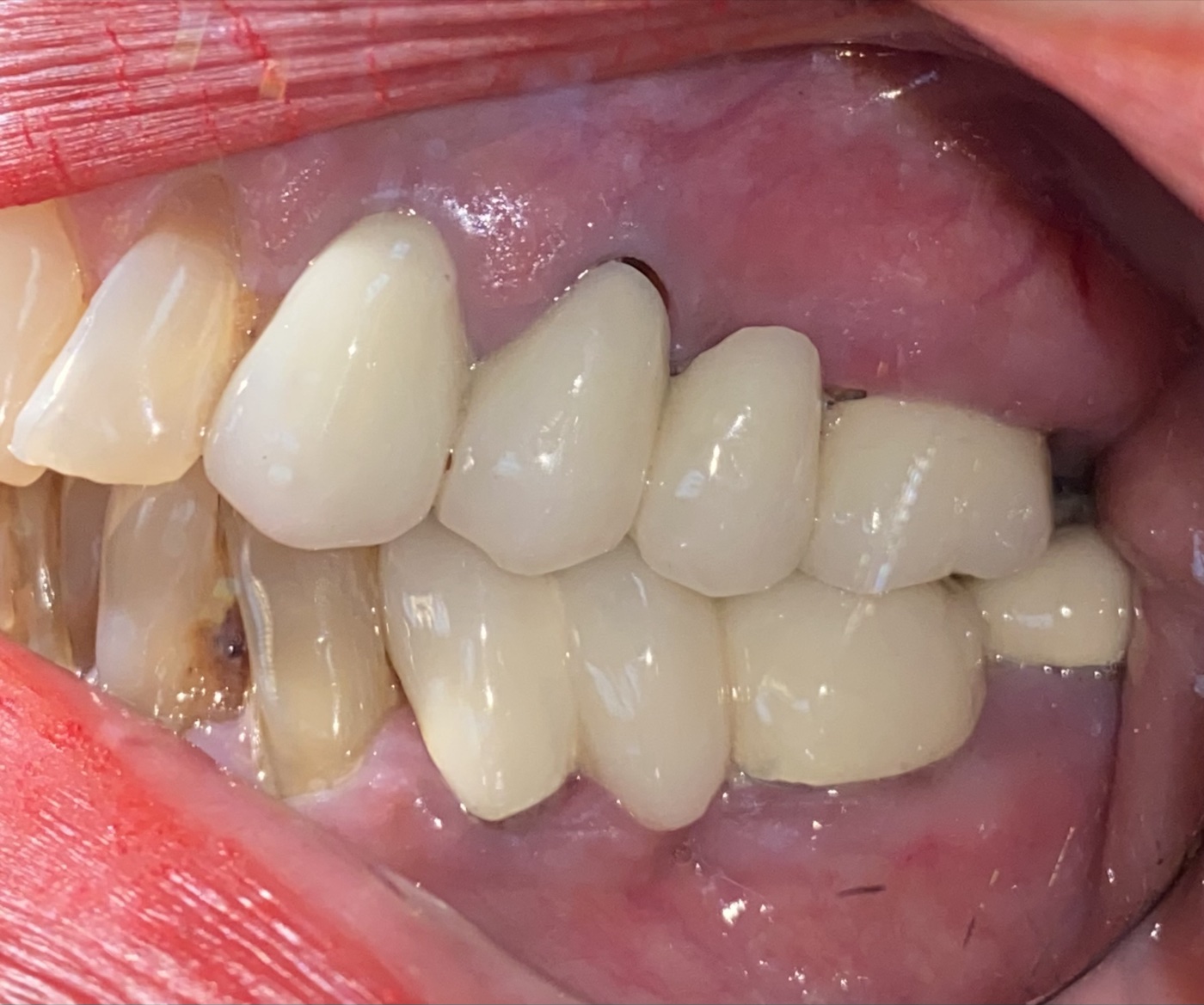
If you see pink in the sink when you brush, you're not alone. It's one of the most common things patients mention, and one of the easiest to put right when it's caught early.
The usual cause
Most bleeding comes from gingivitis: inflammation caused by plaque building up along the gumline. The gums turn red and puffy and bleed easily when brushed. At this stage it's usually reversible with a professional clean and better cleaning at home.
Other things that can play a part
- Brushing too hard, or using a hard-bristled brush
- Starting to floss after a long break (this usually settles within a week or two)
- Hormone changes, such as during pregnancy
- Some medicines, including blood thinners
- Diabetes
- A family history of gum disease
- Smoking, which can hide the bleeding while gum disease gets worse
What you can do at home
- Keep brushing twice a day with a soft brush. Don't stop because your gums bleed.
- Clean between your teeth once a day with floss or small interdental brushes.
- Book a scale and polish if you're due one.
When to see a dentist
Come in if the bleeding hasn't settled after two weeks of good cleaning, or if you notice swollen or receding gums, bad breath that won't go away, or teeth that feel loose. Left alone, gingivitis can develop into periodontitis, which damages the gum and bone that hold your teeth in place.
Related treatmentBleeding that won't settle? Read about gum treatment at the clinic.
This article is general information, not a diagnosis. Every mouth is different, so book an examination before deciding on treatment.