Composite or porcelain veneers?
Both can change the shape and colour of your front teeth. The difference is how they're made, how much of your own tooth is kept, and what happens if one chips.
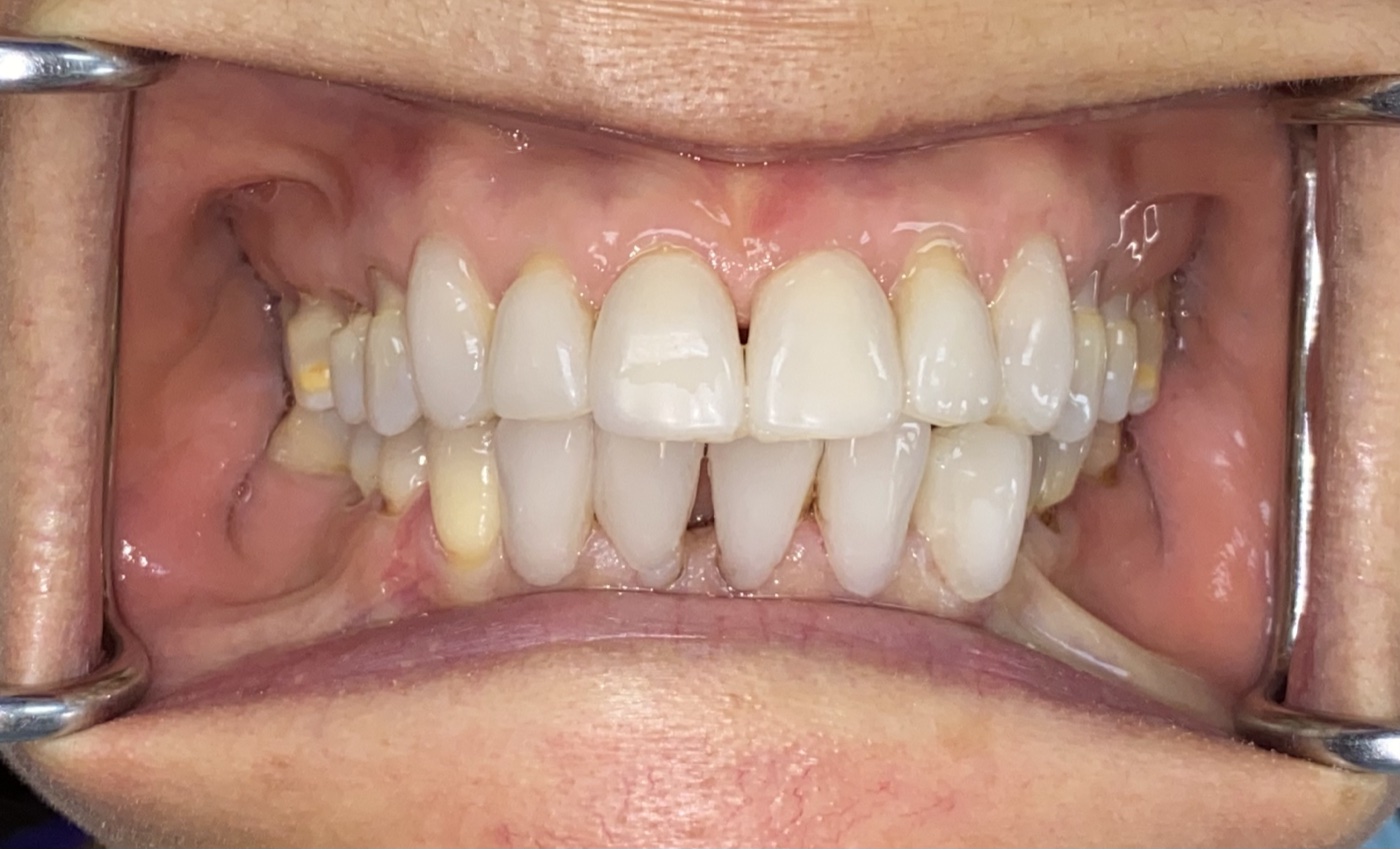
It's one of the questions I hear most in the chair. Both options can close small gaps, rebuild chipped edges and even out the colour of your front teeth. They just get there in different ways.
Composite: built directly on the tooth
Composite is a tooth-coloured resin. I shape it straight onto your tooth, layer by layer, then polish it to blend with the teeth around it.
- Often finished in a single visit
- Little or no natural tooth needs to be removed
- Simple to repair or touch up if it chips
- Can pick up stains over time, so it needs a polish now and then
Porcelain: made in a lab
Porcelain veneers are thin shells made by a dental lab from a scan or mould of your teeth, then bonded into place.
- The lab work takes one to two weeks, so it means more than one visit
- A thin layer of enamel is usually removed first, which makes it harder to undo
- Very stain-resistant and longer-lasting
- If one chips, it usually needs replacing
Which one is right for you?
It depends on your bite, whether you grind your teeth, how much change you want and how long you want the result to last. For smaller changes, composite is often a gentle place to start. For heavy wear or a full smile makeover, porcelain may hold up better.
Every smile is composed together. We choose the right option as a team.
What to do next
Book an examination. I'll check your teeth and bite, talk you through both options and give you a clear quote before anything starts.
Related treatmentConsidering veneers? See how Dr. Naveen sculpts composite veneers by hand.
This article is general information, not a diagnosis. Every mouth is different, so book an examination before deciding on treatment.